AYMOD to Bring Together 20,000 Professional Buyers
While the Turkish footwear industry continues its search for new markets despite global challenges, attention has turned to the AYMOD Fair. Industry representatives emphasize that Türkiye maintains its strategic advantage in production despite rising costs.
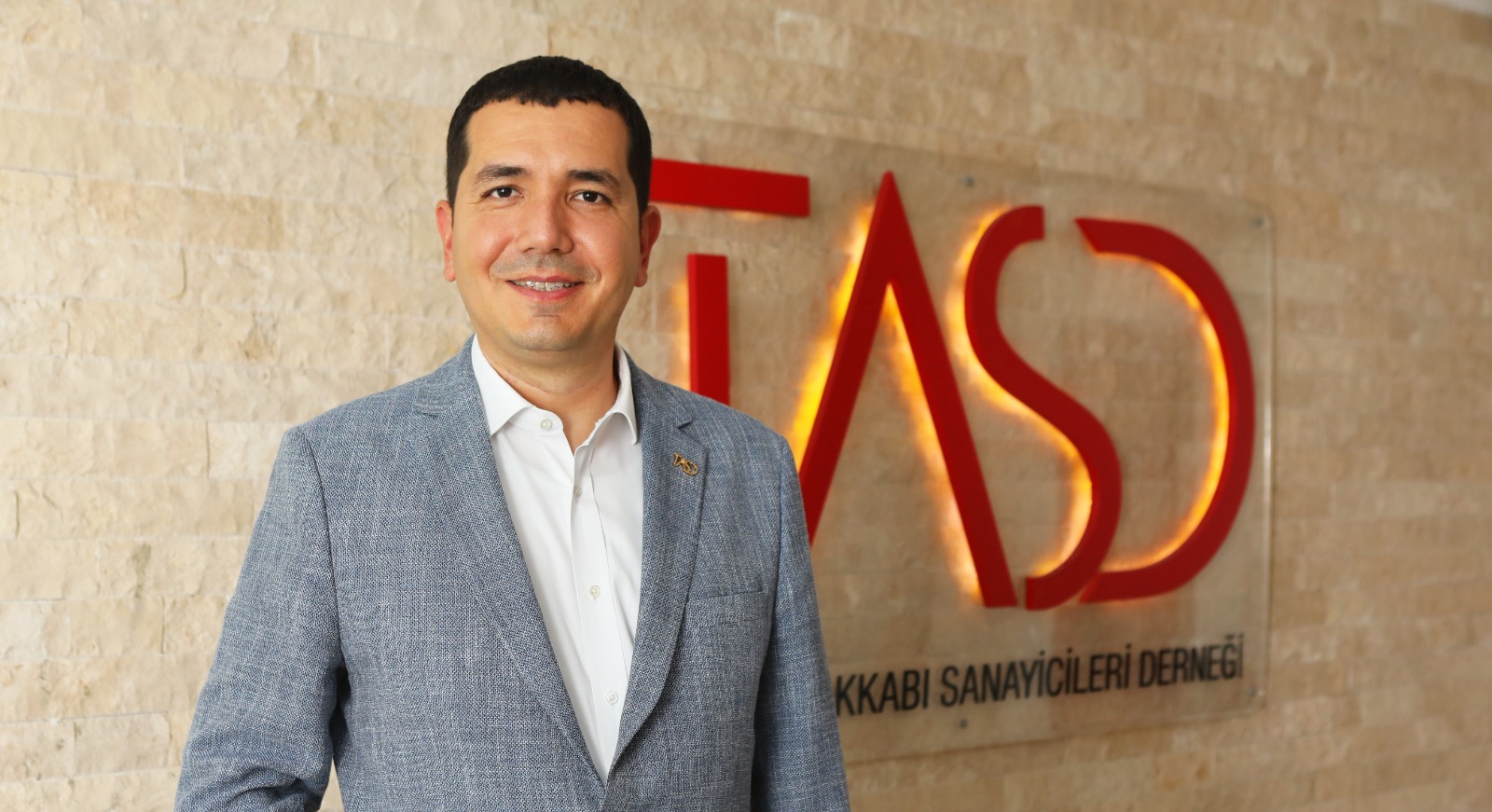
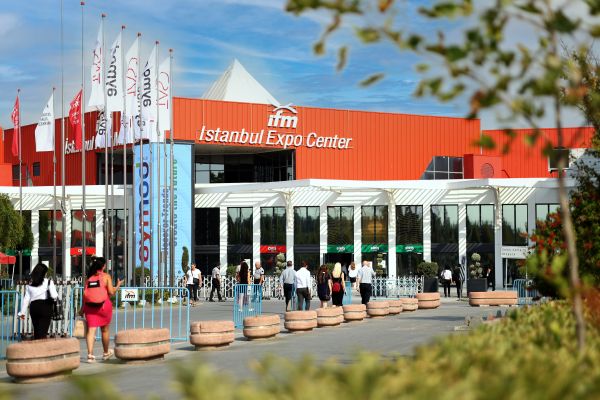
Berke İçten, President of the Turkish Footwear Manufacturers Association (TASD), announced that strong participation and visitor interest are expected for the International AYMOD Footwear Fashion Fair, which will open its doors on March 25. İçten stated that more than 200 companies—24 of them international—will participate in the fair, and approximately 20,000 professionals, including around 5,000 international visitors, are expected to attend.
A VIP Hosted Buyer Program will also be organized within the scope of the fair, supported by the Ministry of Trade.
Global Crises Could Turn Into Opportunities for Türkiye
İçten noted that rising geopolitical tensions and increasing logistics costs worldwide are causing new disruptions in supply chains, creating significant opportunities for Türkiye.
“We are on the verge of a process similar to the supply chain disruptions experienced during the pandemic. Difficulties in shipments from the Far East and rising oil prices are making logistics more expensive. This is redirecting European and U.S. brands toward Türkiye as a near-sourcing hub,” said İçten, warning that this opportunity could be missed if costs are not reduced.
He emphasized the need to remove barriers to accessing raw materials and semi-finished goods, adding that eliminating taxes on intermediate goods could reduce footwear production costs by at least 25%.
Competitive Exchange Rate and Cost Structure Are Essential
Highlighting Türkiye’s strong production infrastructure in footwear manufacturing, İçten pointed to recent export losses:
“In 2022, we were Europe’s largest producer with a capacity of 580 million pairs. We exported 377 million pairs, generating $1.3 billion in revenue. However, the low exchange rate–high interest rate policy has weakened our competitiveness.”
İçten stated that rising customs duties and labor costs have made pricing increasingly difficult, leading to market losses. He noted that exports declined from 377 million pairs in 2022 to 187 million pairs in 2025.
“This represents a nearly 50% drop in three years,” he said, underlining the urgent need for a competitive exchange rate and cost structure to revive exports.
Import Slowdown, Surge from Egypt
İçten reported that measures implemented in 2025 helped curb the rise in imports. Increased additional duties on footwear imports and restrictions on e-commerce imports proved effective.
He noted that imports declined in both volume and value in January. While imports from China and Vietnam decreased, there was a remarkable increase in imports from Egypt.
He also stressed that the continued sale of counterfeit products results in an annual tax loss of approximately $1 billion.
Supply Gap in Athletic Footwear Components
İçten pointed out that the ongoing conflicts have led to significant price increases in petroleum-based raw materials. He stated that producers of soles and synthetic leather have raised prices by 20–30%.
This situation has led suppliers to adopt a “no price, no order” policy. İçten added that taxes on raw materials not produced domestically are putting pressure on the sector.
“While a Chinese manufacturer can source the same material for $6, Turkish producers face costs of $12–13 due to taxes. The domestic supply chain is particularly insufficient in the athletic footwear segment,” he said.